…Calls For Solution Solving Strategies To Address Industry Challenges
…As. ATSSSAN Advises Unions To Rationalise Issues, Work With Employers
The former Managing Director of SAHCO, Basil Agboarumi stated that unions are critical stakeholders in the development of the aviation industry, and that they have led struggles to ensure that Nigeria’s aviation continues to exist.
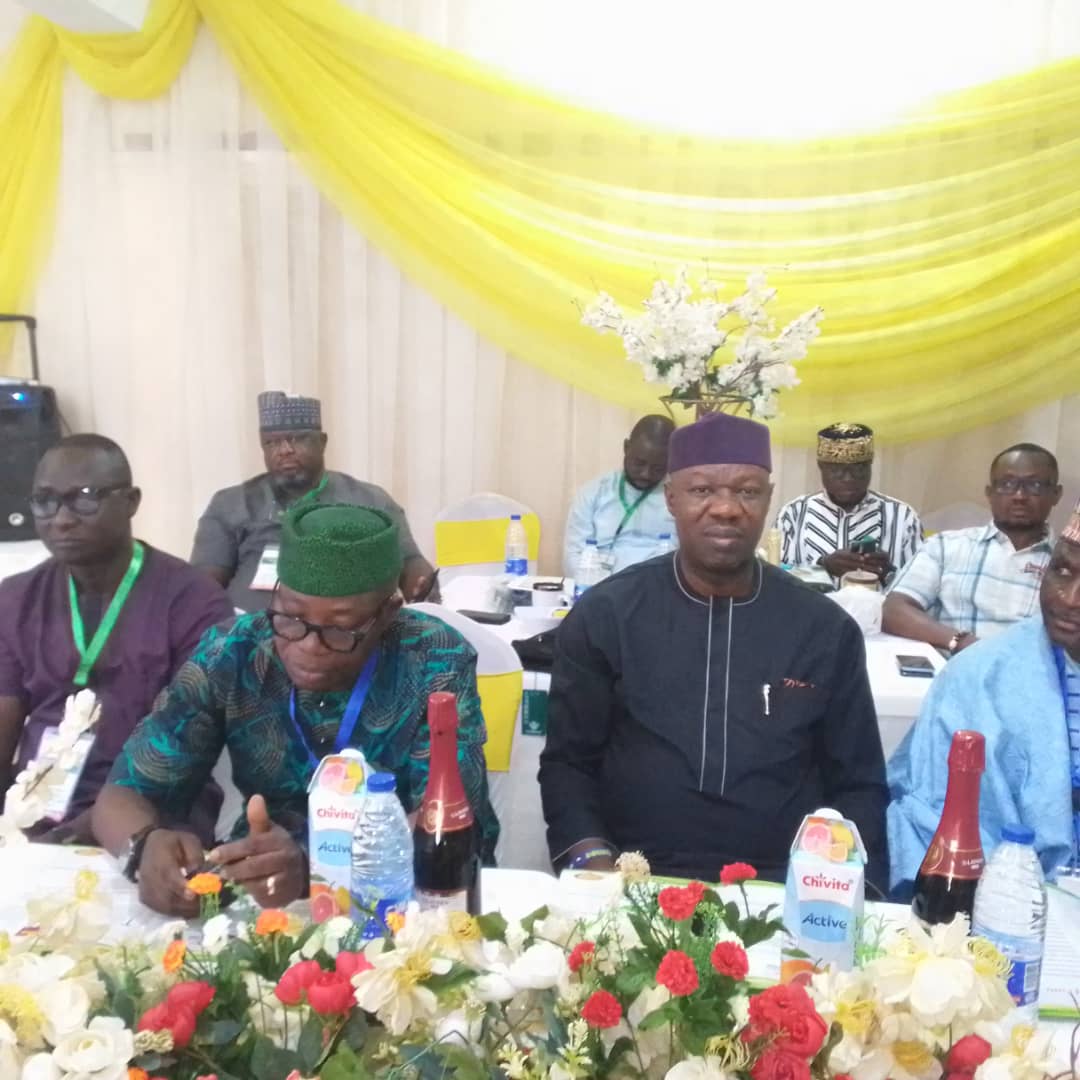
Agboarumi, who spoke at the National Executive Council (NEC) 2024 meeting with the theme, “Challenges of Labour Unions in a Depressed Economy: Nigerian Aviation Sector in View” in Ibadan, the Oyo State capital, asserted that the collaboration between the unions and employers brought about the development the industry is enjoying today.
He advocated for a collaborative solution solving strategies to address challenges bedeviling, while thanking the organisers for giving him the opportunity to chair the occasion and air his thoughts
Also speaking, the National President of Air Transport Services Senior Staff Association of Nigeria (ATSSSAN), Comrade Ahmadu Ilitrus said that unions must rationalise issues and work collaboratively with employers to find workable solutions that will foster growth and harmonious relationships at the workplace.
This, he said, should be done not minding the several challenges facing members which include the vexatious denial of workers’ constitutional right to freely join the union of their choice.
Ilitrus, assured that ATSSSAN is committed to doing that, provided employers are ready to work sincerely with the union.

Speaking further, the ATSSSAN boss noted that the journey since the Federal Government’s declaration that COVID-19 pandemic was over in Nigeria in 2022 has been laced with so much anxiety, expectations and yet a glaring reality that all is not well with Nigeria and the labour movement in Nigeria.
He recalled the tortuous campaign for a new national minimum wage for Nigerian workers in view of the then excruciating living conditions under the Buhari administration and the not too good outcome of the exercise.
Ilitrus added that the ongoing struggle by labour for a new minimum wage and the periodic agitation is a pointer to the deficit/absence of a sustainable approach to the management of the wage needs of the Nigerian worker.
The theme of this meeting, “Challenges of Labour Unions in a Depressing Economy: Nigeria Aviation Sector in View”, he said was carefully chosen considering the current precarious state of the Nigerian worker, especially the aviation worker whose future seems uncertain as a result of the dwindling fortune of the aviation industry as a result of a wide range of challenges.
Some of the issues, he said are unending increase in the price of petrol also known as Petroleum Motor Spirit(PMS), which according to him is sold at between N580 to over N700 per litre, the cost of transportation, food items, and other necessities have doubled or tripled.
He said that despite these very obvious challenges, workers’ wages remain stagnant and that the Nigerian worker is expected to report at work daily and contribute his/her very best to the system, wondering if this is possible.
He welcomed members of NEC and other very important guests to Ibadan, adding that the meeting was held at a very difficult time in the life of Nigeria as a nation.
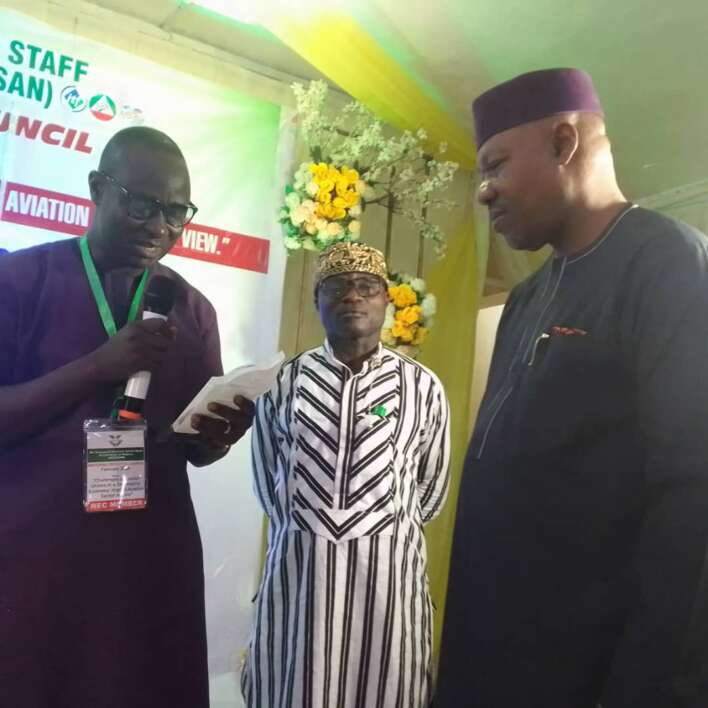
In view of the above, he requested the Permission of the Chairman of the event to observe a minute of sober reflection, introspection and prayer for Nigeria as a country.
Speaking on the theme of the event, the former National President of ATSSSAN, Solomon Ohioma, said that the theme of the event is ATSSSAN’s way of evaluating its activities overtime and its working environment.
He advised labour unions in the sector to ensure that they make themselves relevant at any point in time as critical stakeholders and should also keep pace with activities in the industry as they occur..
He urged unions not to fight or resist technology as the unions did when he was a labour leader in the liquidated Nigeria Airways Limited (NAL), when they resisted the introduction of computers in the organisation because the unions believed it would take away the jobs of their members.
He listed some of the challenges of labour unions in a depressed economy to include: Uncommitted leadership, lack of internal democracy and government interference.
Other challenges according to him are: tribalism and nepotism, internal factionalism, poor economic climate, dishonesty and weak bargaining process.
About The Author