Boeing, the aircraft manufacturing company has commenced advanced technical training programme for the first batch of Nigerian airline engineers in Lagos.
The training is part of Boeing’s continued commitment to strengthen aviation safety, operational readiness and workforce development across Africa.
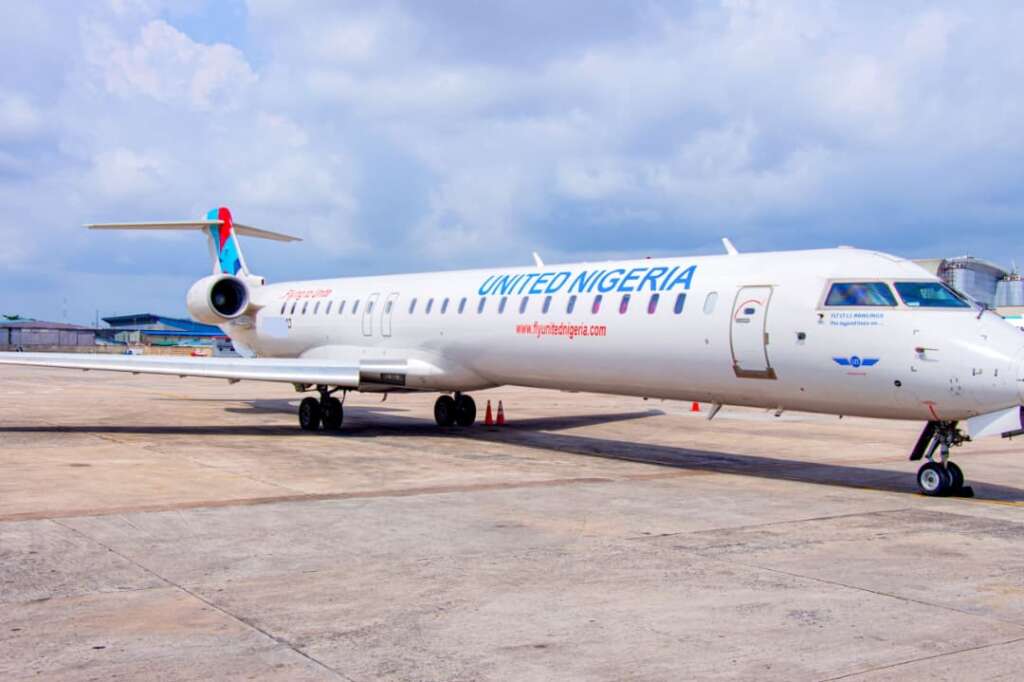
The training, which will take place from June 16 to July 29, will instruct 16 engineers from Nigerian carriers, United Nigeria Airlines and ValueJet.
Upon completion, the trainees will receive the European Union Aviation Safety Agency( EASA) theoretical training certificates.
The second batch of engineers for the training will take place later this year.
The programme stems from a 2024 Memorandum of Understanding(MoU) between Boeing and Nigeria’s Federal Ministry of Aviation and Aerospace Development to advance the country’s aviation sector through technical collaboration and capacity building.
The curriculum provides participants with a detailed understanding of the Boeing 737 Next-Generation airplane’s avionics, airframe, powerplant and electrical systems.
Attendees will receive instruction on airplane characteristics, system operations, component locations, servicing connections, indications and testing procedures, as well as ramp and transit maintenance practices for commercial airplane dispatch reliability.
The training also includes: safety precautions, human factors and operational best practices designed to support engineers working under EASA Part 66 regulations for B1 and B2 licensed maintenance personnel.
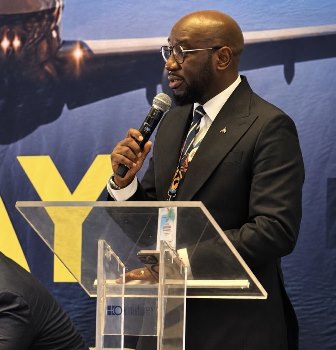
Speaking on the development, Boeing’s
Vice President, Commercial Sales and Marketing for Africa, Anbessie Yitbarek, “Investing in technical capability and safety leadership is essential to supporting the long-term and sustainable growth and resilience of Africa’s aviation sector. Nigeria is one of Africa’s most important aviation markets and Boeing is proud to support the development of highly skilled local engineering talent that will help strengthen operational reliability and safety standards across the region.”
About The Author