…Says policy has failed
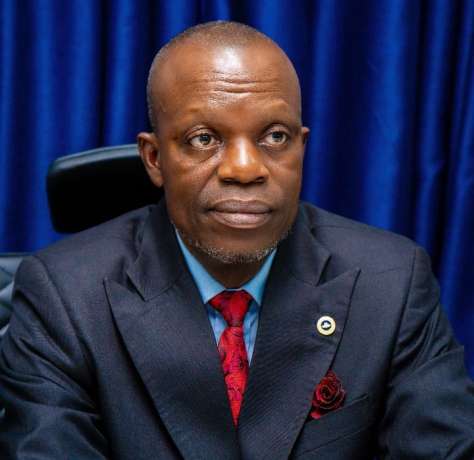
The Education Minister, Tunji Alausa, has said that Nigeria government will scrap the disarticulation policy separating the junior and Senior Secondary Schools(SSS) across the country.
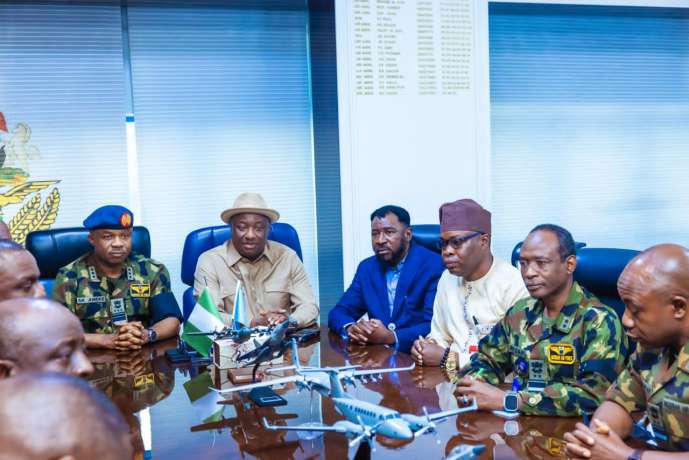
Alausa disclosed this while speaking at the inauguration of the Universal Basic Education Commission (UBEC) Ministerial Implementation and Monitoring Committee in Abuja.
He explained that
the policy, which requires Junior Secondary Schools (JSS) to operate separately from Senior Secondary Schools (SSS) both physically and administratively, has not achieved its intended objectives.
According to him, “We’re seeing data from, say, like Kaduna and other Northern states, because you have one principal for junior Secondary Schools and another principal for Senior Secondary Schools.”
“We have overflowing JSS and empty Senior Secondary Schools. I can objectively report today that this disarticulation policy has failed. We will phase it out.
“We cannot be creating positions because we want to create a director level for people while we harm our education system. It is not right. It is about doing what is good for every Nigerian child,” he added.
The policy, he said has also brought about a huge enrolment gap between primary and secondary school education levels.
He said that over 20 million children, who began their education in primary school failed to progress to Senior Secondary School after dropping out along the way.
In his words, “We have 20 million dropouts from primary school to JSS. Where are those students? And what we also noticed was that we have 80,000 public primary schools, and junior secondary schools, we have just about 15,000 that ratio one to eight.”
“And if you look at the completion rate. So, it’s us as a government not doing what we need to do, but the previous government might have failed in this regard, but this government will not fail.
“We’re fixing this, so we need to open up as many more opportunities for students to attend these schools, primary schools’ infrastructure. This disarticulation policy has also contributed to this.”
Alausa said the UBEC committee is mandated to ensure that hundreds of smart schools, bilingual schools and alternative schools funded by UBEC are completed, handed over to states and opened for learning.
He noted that despite heavy release of funds by UBEC, many projects remained unfinished, while several completed schools had not been handed over to state governments or integrated into their education systems.
The Committee, Alausa said would drive the implementation and monitoring of the projects to ensure they deliver quality education to Nigerian children.
About The Author