
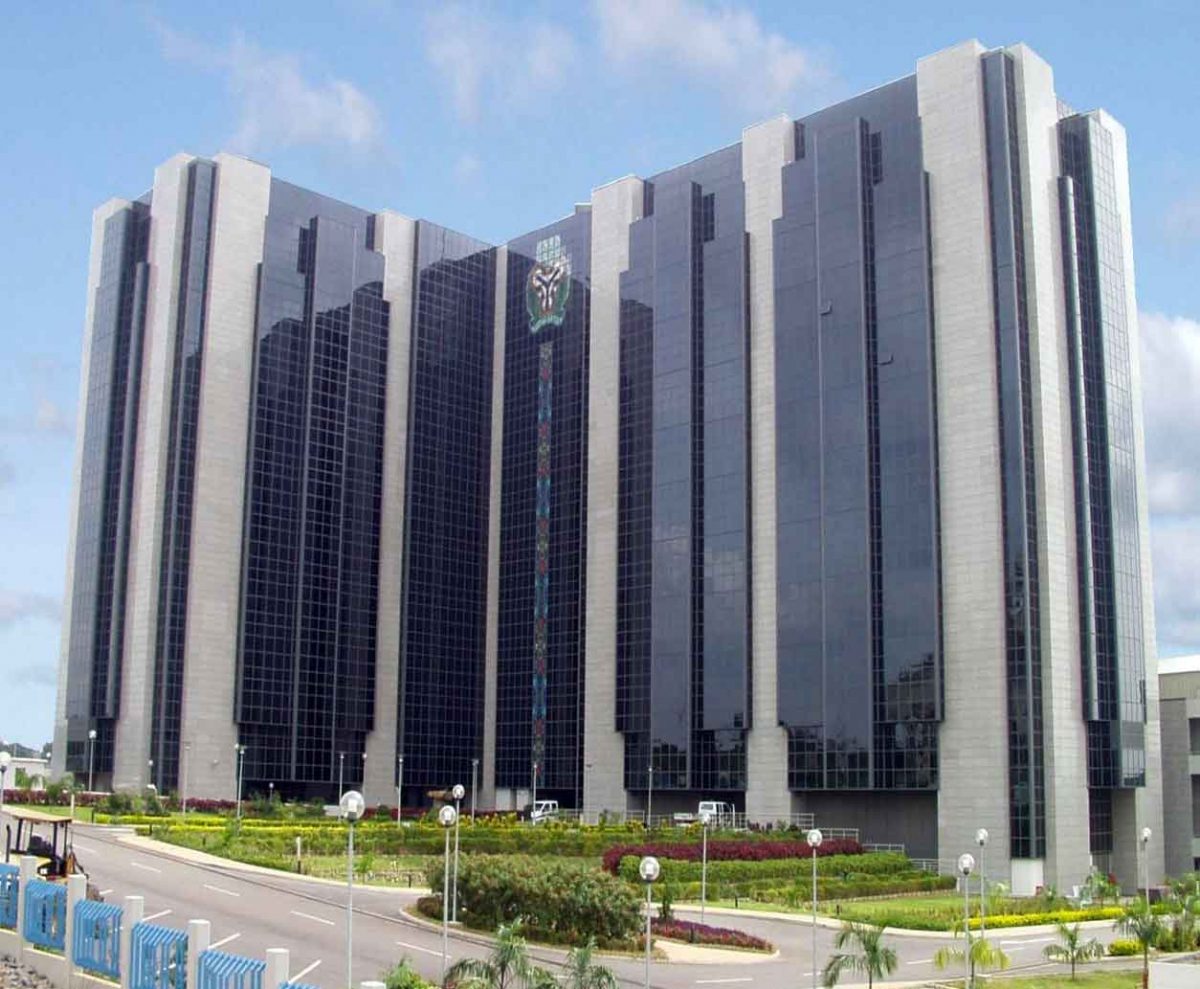
The Central Bank of Nigeria (CBN) has raised the new minimum capital base for banks, pegging the minimum capital base for commercial banks with international authorisation at ₦500 billion.
A circular signed by the Director, Financial Policy and Regulation Department, Haruna Mustafa, to all commercial, merchant, and non-interest banks and promoters of proposed banks stated that all the banks are expected to meet the minimum capital requirement within 24 months commencing from April 1, 2024, and terminating on March 31, 2026.
Spokesperson for the apex bank, Hakama Sidi Ali, confirmed the pegging in Abuja on Thursday.
Ali said that the new minimum capital base for commercial banks with national authorisation is now ₦200 billion, while the new requirement for those with regional authorisation is ₦50 billion.
The CBN equally revealed that the new minimum capital for merchant banks would be ₦50 billion, while the new requirements for non-interest banks with national and regional authorisations are ₦20 billion and ₦10 billion, respectively.
The pegging of capital base from ₦25billion to ₦500 billion comes just days after CBN Governor, Olayemi Cardoso, urged deposit money banks to expedite action on the recapitalisation of their capital base to strengthen the financial system.
Recall that in November had said commercial banks in the country would be directed to increase their capital base to service a $1 trillion economy ambition of the President Bola Tinubu administration.
In 2005, the apex bank increased the capital base for banks when the current Anambra State Governor, Charles Soludo, was the Governor of CBN from ₦2billion to ₦25billion .
In a bid to enable banks meet the new minimum capital requirements, the CBN, advised banks to consider injecting fresh equity capital through private placements, rights issues and/or offers for subscription; mergers and acquisitions, and/or upgrade or downgrade of license authorisation.
CBN said that the new minimum capital shall comprise paid-up capital and share premium only. It stressed that the new capital requirement shall not be based on the shareholders’ fund.
According to the circular, “Additional Tier 1 (AT1) Capital shall not be eligible for meeting the new requirement. Notwithstanding the capital increase, banks are to ensure strict compliance with the minimum capital adequacy ratio (CAR) requirement applicable to their license authorisation.
“In line with extant regulations, banks that breach the CAR requirement shall be required to inject fresh capital to regularise their position.”
In the same vein, the CBN has stated that banks are required to submit an implementation plan (clearly indicating the chosen option(s) for meeting the new capital requirement and various activities involved with their timelines) no later than April 30, 2024.
It added that it would monitor and ensure compliance with the new requirements within the specified timeline.
The minimum capital requirement for proposed banks, the CNB said, shall be paid-up capital, adding that the new minimum capital requirement shall apply to all new applications for banking licenses submitted after April 1, 2024.
It further stated that it would continue to process all pending applications for banking licenses for which a capital deposit had been made and/or an Approval-in-Principle had been granted.
It pointed out that the promoters of such proposed banks would make up the difference between the capital deposited with the CBN and the new capital requirement no later than March 31, 2026.
About The Author