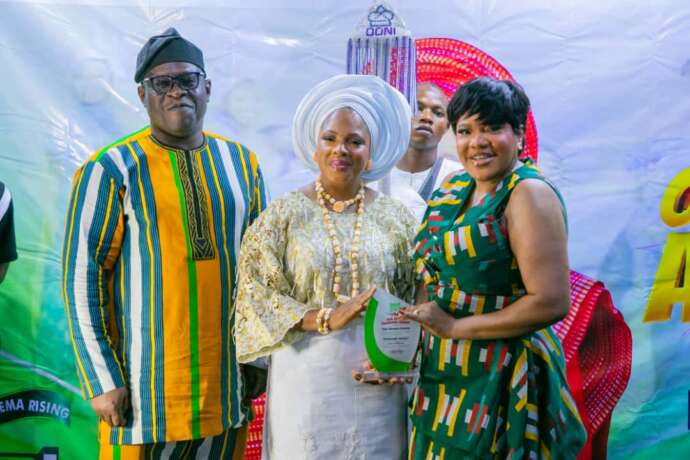
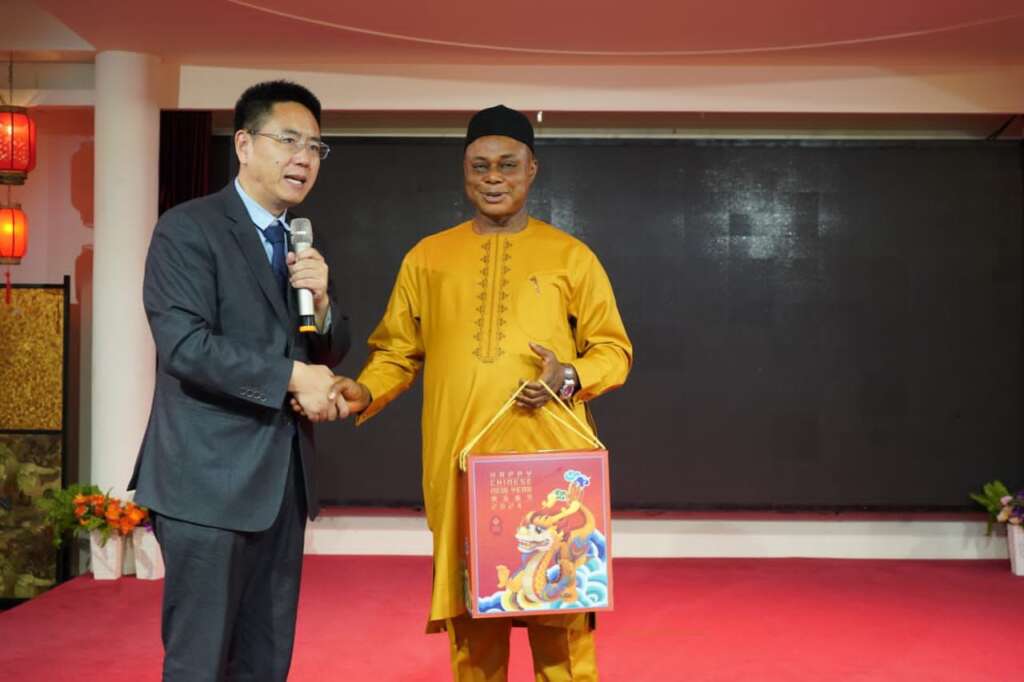
The Federal Ministry of Arts, Culture, Tourism, and the Creative Economy, in collaboration with international stakeholders, marked the 2024 International Day for the Remembrance of the Slave Trade and Its Abolition at the China Cultural Centre in Abuja.
This year’s theme, “Creating Global Freedom: Countering Racism with Justice in Societies and Among Nations,” reflected Nigeria’s dedication to promoting unity, advancing global justice, and addressing historical inequalities.
Delivering the welcome address, the Director overseeing the Office of the Permanent Secretary, Mr. Raphael Oraelume, acknowledged the importance of the event.
He extended gratitude to His Excellency,Chinese Ambassador to Nigeria, Yu Dunhai,and the Director of the China Cultural Centre,Mr. Yang Jianxing,for their unwavering support in fostering cultural exchange and strengthening the ties between Nigeria and China.
The event aligns with President Bola Tinubu’s Renewed Hope Agenda, which emphasises justice, equality, and inclusive development as essential components of national progress.
Reflecting on the significance of the occasion, Oraelume remarked, “This day allows us to reflect on the resilience of the human spirit and renew our resolve to build societies where freedom and justice flourish.”
The Ministry emphasised its 8-Point Agenda, which incorporates culture and tourism as vital drivers of economic growth and international cooperation.
Hosting such events strengthens Nigeria’s leadership in cultural diplomacy, enhances its international reputation, and fosters meaningful collaborations with global partners.
This commemoration also showcases the economic value of cultural tourism.
By promoting Nigeria as a destination for global heritage events, it attracts investment, boosts tourism revenue, and creates employment opportunities, while fostering community development and national pride.
The programme featured captivating performances by the National Troupe of Nigeria, celebrating the richness of Nigerian heritage and its role in uniting communities.
Esteemed attendees included representatives from: UNESCO Regional Office, International Organization for Migration(IOM, Indian High Commission and African Chamber for Culture and Tourism
Others are : the National Council for Arts and Culture (NCAC), National Institute for Cultural Orientation (NICO) and National Council for Museums and Monuments (NCMM)
In his closing remarks, Oraelume emphasised the importance of collective efforts in eradicating racism and promoting equity.
“This commemoration is more than an observance—it is a call to build a future where justice, freedom, and understanding are not aspirations but realities,” he said.
The Ministry, with this event has reaffirmed its unwavering commitment to cultural advocacy, economic progress, and fostering a globally inclusive society.
About The Author