In recent times, Nigeria’s vast forest ecosystems have come under heavy criticism and emotional attacks. Critics—particularly those in the comfort of government offices—have thrown verbal stones at our natural resource environment, advocating the destruction of forest covers out of frustration rather than informed reasoning.
Clearly irritated that some criminal elements take refuge in forested areas across the country, certain political leaders—governors and legislators who would rather spend their holidays in luxurious ecological resorts abroad—appear to favour extreme solutions. Some have even suggested carpet-bombing or bulldozing our iconic forest ecosystems, destroying diverse and endangered flora and fauna simply to curb the activities of a few criminals who hide within these largely unprotected landscapes.
It is both disturbing and disappointing to hear such simplistic arguments advanced as solutions. These views often ignore the immense benefits of sustainably protecting our forests—not only from illegal loggers and poachers but also from armed non-state actors who exploit governance gaps in these areas.
Nigeria’s ecological assets are vast. The country is home to 17 National Parks, 1,129 forest reserves, game reserves and wildlife sanctuaries, as well as internationally recognised Ramsar sites.
In a world grappling with climate change, these natural spaces serve as vital laboratories for hydrological research, pharmaceutical discoveries and scientific studies. Any serious nation would strive to protect and preserve such invaluable ecological resources.
Unfortunately, the state of many forests administered by state and local governments leaves much to be desired. Apart from the National Parks, most state-managed forest, game and wildlife reserves have suffered years of neglect. Many have been degraded, exploited and abandoned despite their enormous ecological and economic value.
Conservation, in all its dimensions, often suffers from poor funding, especially during periods of economic downturn. Nigeria’s conservation history has too often followed a discouraging pattern—one step forward and ten steps backward—stifling progress and undermining long-term environmental protection.
Ironically, many Nigerians dream of visiting the Amazon forests of Brazil, embarking on wildlife safaris in Kenya and South Africa, or exploring artificial desert safari parks in Dubai. Yet at home, misinformation and poorly informed arguments continue to fuel opposition to preserving Nigeria’s own rich forest ecosystems—spaces deeply rooted in the cultural heritage of local communities and home to unique plant and animal species, some still unknown to science. Omo–Shasha–Oluwa Forest Reserve
The vast Omo–Shasha–Oluwa Forest Reserve, located along the border of Ogun and Ondo states, remains one of Nigeria’s most remarkable yet underappreciated ecological treasures. This extensive landscape, possibly the richest biodiversity haven in South-West Nigeria, was carefully divided into compartments for both scientific conservation and economic forestry purposes.
Larger than the well-known Okomu National Park—famous for its white-throated monkeys—the story of the Omo forest ecosystem sadly illustrates how poorly managed conservation efforts can undermine environmental protection.
The reserve covers approximately 1,305 square kilometres, watered by the Omo River which runs through its expansive landscape. Yet despite its ecological wealth, the area faces severe threats from unsustainable exploitation.

In the late 1960s, Ogun State established plantations of exotic tree species—including Gmelina arborea Tectona grandis (teak) and Pinus caribaea—to supply raw materials to the Iwopin Pulp and Paper Mill established in 1969. While the initiative once held great economic promise, the plantations have since suffered from aggressive and poorly regulated logging activities by concessionaire companies operating within the reserve.
The harvesting methods employed by some of these companies raise serious concerns. In many cases, the practices violate global conservation standards and threaten the long-term survival of the restricted biosphere areas that make up nearly 40 percent of the Shasha–Oluwa forest ecosystem
These restricted areas are home to endangered wildlife including chimpanzees, white-throated guenon monkeys and forest elephants.
Apart from strategic conservation interventions by the Nigerian Conservation Foundation (NCF)—particularly its elephant sanctuary project—the few remaining protected biodiversity zones managed by the Forestry Research Institute of Nigeria and recognised by UNESCO remain the only structured conservation spaces within the vast reserve.
Yet fears persist that even these areas could eventually fall victim to illegal logging and corrupt practices within forestry management systems. One possible long-term solution would be to designate these critical zones as a National Park providing stronger legal protection and conservation oversight.
The NCF’s 6.5-square-kilometre elephant sanctuary currently stands as perhaps the most visible symbol of conservation sanity in a landscape increasingly driven by short-term economic exploitation rather than long-term ecological sustainability.
*Nature Trails and Elephant Tracking
Beyond its conservation value, the Omo forest ecosystem offers tremendous eco-tourism potential. For adventure seekers, the experience of trekking through this dense forest far surpasses the thrill of climbing iconic landmarks such as Olumo Rock.
Having visited all 17 National Parks across Nigeria, my desire to discover and promote emerging eco-tourism destinations led me back to this remarkable forest landscape for a third expedition.
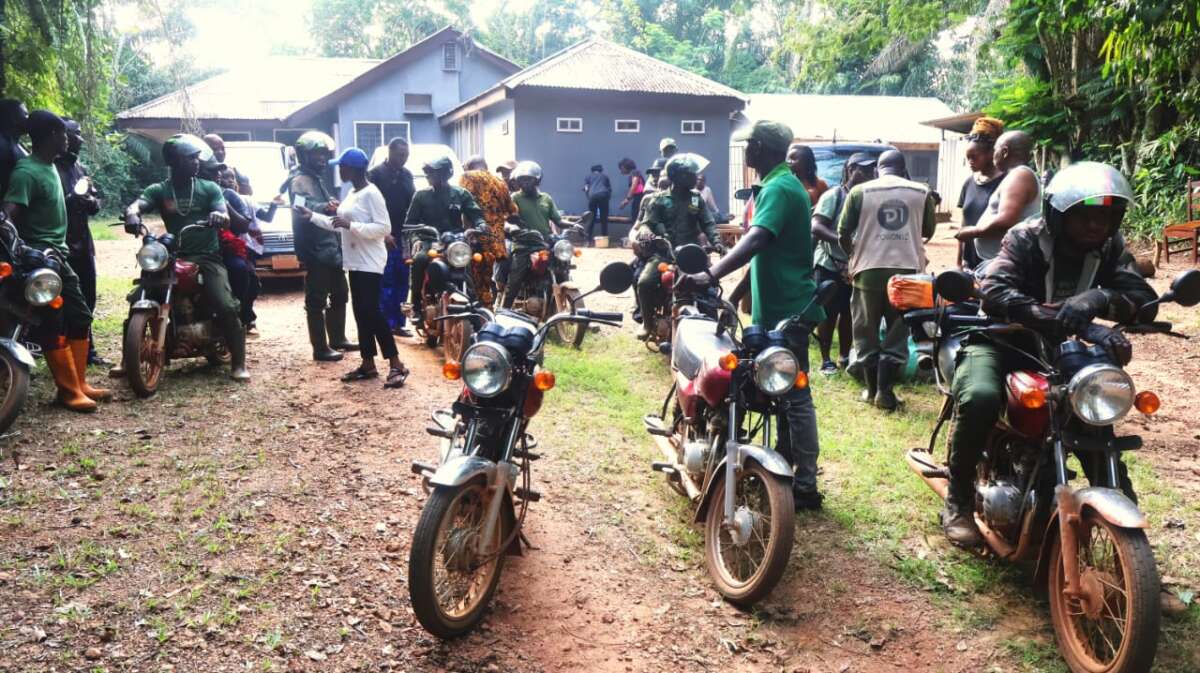
This is not a luxury destination. Instead, it offers raw adventure and an authentic immersion into nature. The forest trails demand patience, physical endurance and curiosity. Visitors navigate fallen trees, cross clear streams and trek through thick, humid vegetation—experiences that provide both physical challenge and mental rejuvenation.
The Rangers of the Forest
The rangers stationed at the elephant sanctuary deserve special recognition. These disciplined young conservationists have chosen to live far from the comforts of urban life in order to protect wildlife and monitor forest activities.
Many possess extensive knowledge of forest ecology, wildlife behaviour and medicinal plants. Their dedication to conservation is both admirable and inspiring.
A Call to Action
The Omo–Shasha–Oluwa Forest Reserve stands as a powerful symbol of both Nigeria’s ecological wealth and the urgent need for stronger conservation policies.
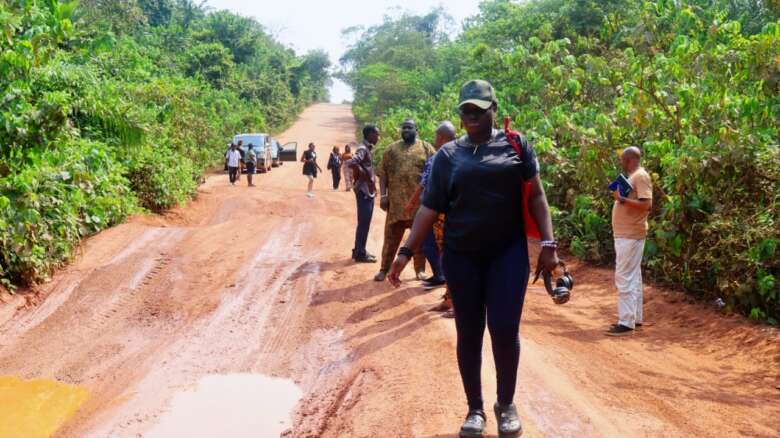
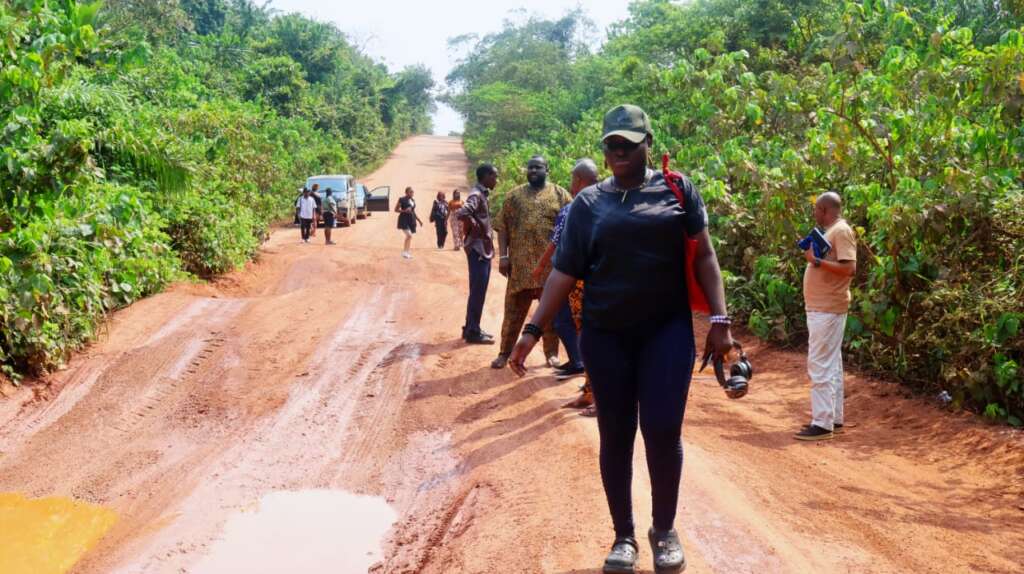
Ogun State Government must prioritise the rehabilitation of access roads to the reserve, support eco-tourism infrastructure such as eco-lodges and solar lighting, and strengthen collaboration with conservation organisations like the Nigerian Conservation Foundation.
With its strategic location near Lagos and its vast natural resources, Ogun State possesses enormous potential to become a leading eco-tourism destination in West Africa.
Unlocking this potential requires visionary leadership, strategic investment and a firm commitment to environmental protection.
Nigeria’s forests are not obstacles to development—they are vital assets for sustainable economic growth, climate resilience and cultural heritage preservation.
Protecting them is not optional. It is essential.
Footnotes / Acknowledgements
This report acknowledges the support and contributions of the following institutions and individuals whose efforts made the expedition and documentation possible:
* The Nigeria Conservation Foundation (NCF), Omo Forest Project Office for facilitating access to the elephant sanctuary and providing ranger support.
* Mainland 98.3 FM Lagos, particularly the Cre8tive 9JA Radio Programme, for promoting conservation awareness and eco-tourism discussions.
* David Batur for logistical support during the expedition.
* The National Inland Waterways Authority (NIWA) for institutional support towards the success of the trip.
Contributors and Expedition Participants
The expedition and field experience documented in this report involved the contributions of several individuals including:
* Bunmi Bade Adeniji– Lead organiser and co-anchor, Cre8tive 9JA (Mainland 98.3 FM).
* Emmanuel Olabode– Project Manager, Omo Elephant Sanctuary, Nigeria Conservation Foundation.
* Bosede Kosemani– Environmental advocate and former NCF officer.
* Nonso Odogwu – Transportation and logistics coordination.
* Modupe Akinyosoye
* Daisy Yiamal
* Members of Elegant Royal Foundation, students of Mountain Top University, Ogun State.
* Media colleagues:
Innocent Orok, Brown Tamunuwari, Dennis Ebuka aka MC Amebo, RasaqAdejare, Okorie Uguru and Hyacinth Nwafor
Their collective participation enriched the expedition and strengthened advocacy for conservation, eco-tourism, and environmental protection in Nigeria.
Frank Meke, is a Media and Tourism Consultant based in Lagos
About The Author