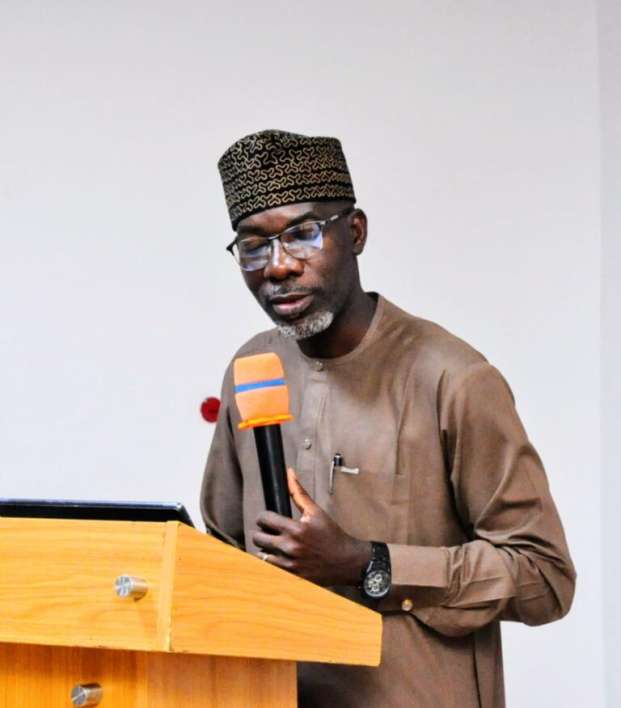
The Finance Minister and Coordinating Minister of the Economy, Mr. Taiwo Oyedele, has said a strong economy will help reduce borrowing costs and encourage lending to the productive sector.
He spoke against the backdrop of the Federal Government’s $1 trillion economy vision.
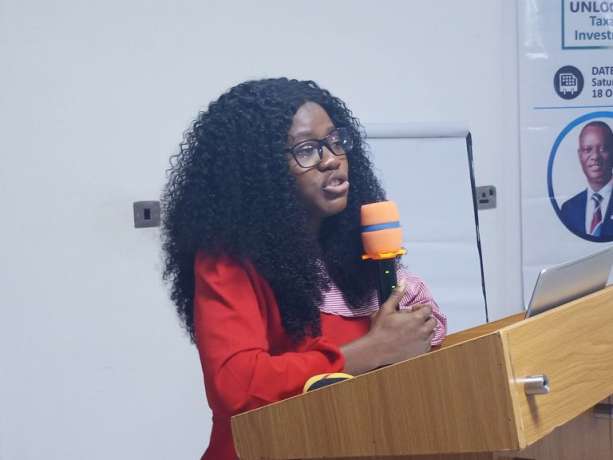
Oyedele said this at the just concluded 2026 Finance and Business Online Publishers(FiBOP) conference with the theme, “Unlocking Nigeria’s Economic Potential: Taxation, Industry, Insurance, Fintech, Trade and Investment as Catalysts for Nigeria’s $1 trillion Economy.” held in Lagos.
The Minister was represented at the conference by the was represented by the Special Assistant on Revenue, Dr. Olufemi Olarinde.
He also hinted that the President Bola Tinubu led-administration is also embarking on coherent relationship between monetary policy and revenue tax administration,
According to him, “Building a strong economy can help ease borrowing costs and encourage lending to the productive sector. We are also pursuing more coherent relationship between monetary policy and revenue tax administration, including aligning applicable tax levels, interest and penalty rates with realistic prevailing monetary conditions, while preserving appropriate consequences for non-compliance.”
This measure, he said will produce sound public financial management, efficient spending, and initiatives to crowd in private investment.
Oyedele explained that the objective is to lower unnecessary costs, improve access to capital, and create an environment in which business can expand, employ more Nigerians, and contribute to the stability of public revenues.
Tax reform, the Minister said is one part of a broader economic strategy., saying, “We must expand local manufacturing, process more agricultural produce, develop mineral value chain, and encourage investment in productive industries
Speaking further, Oyedele said, “Our businesses need reliable power, efficient logistics, affordable finance, and predictable regulation. Fintech and digitalization can reduce transactional costs, expand financial inclusion, and improve tax administration._
Insurance, Oyedele noted can protect households and businesses against risk, support investment, and mobilize long-term funds while trade facilitation and export development can connect Nigerian businesses to larger markets across Africa and beyond..
“The capital market has also been growing year on year, and we cannot ignore that fact, and the world cannot, but recognise the capital market in Nigeria,” Oyedele said.
The Minister pointed out that these sectors reinforce one another: investment expands production, production creates jobs, jobs raises incomes, technology improves efficiency, insurance protects productivity assets, and trade expands market.
He noted that FiBOP and the wider media community as partner in the reform have a critical role in explaining reforms, communicating accurate economic data, and promoting informed debates
The Minister said that Nigeria’s potential is being converted into productivity, investment, and shared prosperity.
“Our task is to maintain policy consistency, mobilize productive investment, improve infrastructure,⁹ expand access to finance, strengthen accountability as well as other measure that can boost economy growth,” Oyedele said.
On the new tax policy, and its role in accelerating the $1 trillion economy target by 2030, the Minister opined that there is a simple but powerful principle at the heart of Nigeria’s tax reform: tax prosperity, not poverty, tax the few and not the citizens.
This, he said reflects President Bola Tinubu’s philosophy for building an economy where business can grow, investment can flourish, job can be created and citizens can prosper.
He added that while government generates sustainable revenue to fund development, the one trillion economy ambition by 2030 is about more than reaching a number but about better jobs, stronger businesses, higher incomes and improved living standards.
About The Author